
- Pace
- For 3–5 nights, choose one base—usually Watamu—and make local day trips rather than trying to cover the county. For a proper first visit, split 7–8 nights between Kilifi Town/Bofa and Watamu; add Malindi only if its airport, town character or Marafa genuinely matters to you. Distances look short on paper, but traffic, hotel pickups and beaches set off the A7 mean an apparent one-hour transfer can absorb half a day.
- When to go
- January–March is the strongest sea-first window: hot, mostly dry and usually best for snorkeling, diving and beach time. July–September is the best all-round alternative for travelers who prefer cooler, breezier weather and don’t mind a choppier ocean. Avoid April–May for a trip built around boats and beach days; October–November is cheaper but needs flexible plans, while mid-December through New Year brings a sharp jump in demand and prices.
- Daily budget
- KES 22,000–45,000: a good small hotel or beach lodge, restaurant meals, private transfers between bases, and a marine or guided activity on most days.
Kilifi County—Kenya’s North Coast—is a long, spacious Indian Ocean region rather than a single resort town: reef lagoons, tidal creeks, broad beaches, Swahili-era ruins, Mijikenda/Giriama hinterland and a few more developed resort enclaves stretched between Mombasa and the Tana River. It suits travelers who want beach time with actual texture—reef boats, creek paddles, forest walks and old trading towns—rather than an all-inclusive strip.
Known for
- Watamu Marine Park’s reef lagoons, snorkeling and diving
- Mida Creek’s mangroves, birdlife and tide-dependent sunsets
- Gede’s atmospheric, forest-swallowed Swahili ruins
- Kilifi Creek, Bofa Beach and Mnarani
- Malindi’s historic trading-port character and Italian-influenced food scene
- Marafa Depression (Hell’s Kitchen), the sandstone gullies north of Malindi
Where to go
 1
Base · 4–5 days
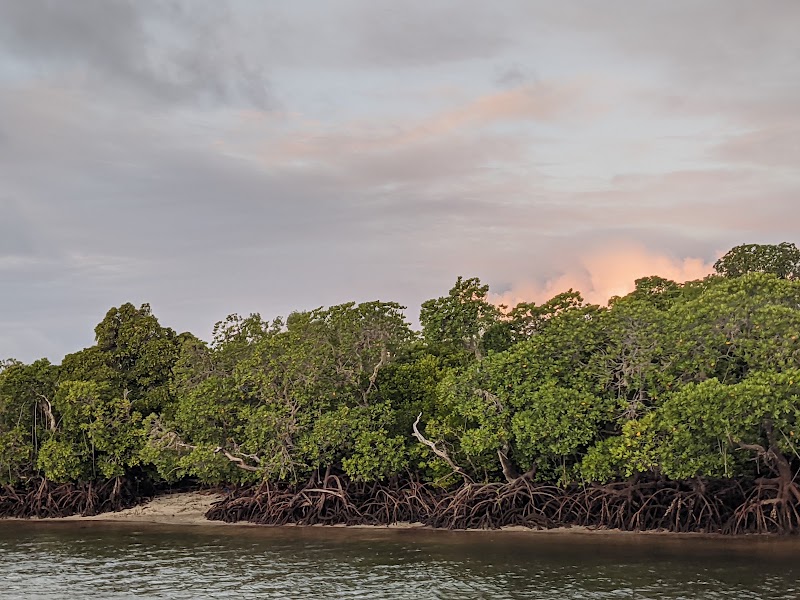
Watamu, Turtle Bay and Watamu Marine Park
The strongest all-round base on the North Coast: reef trips, protected lagoons, diving and an easy concentration of small beach hotels. It is the obvious first choice if the sea is the point of the trip.
first-timerscouplesfamiliesdivers
Explore Watamu, Turtle Bay and Watamu Marine Park 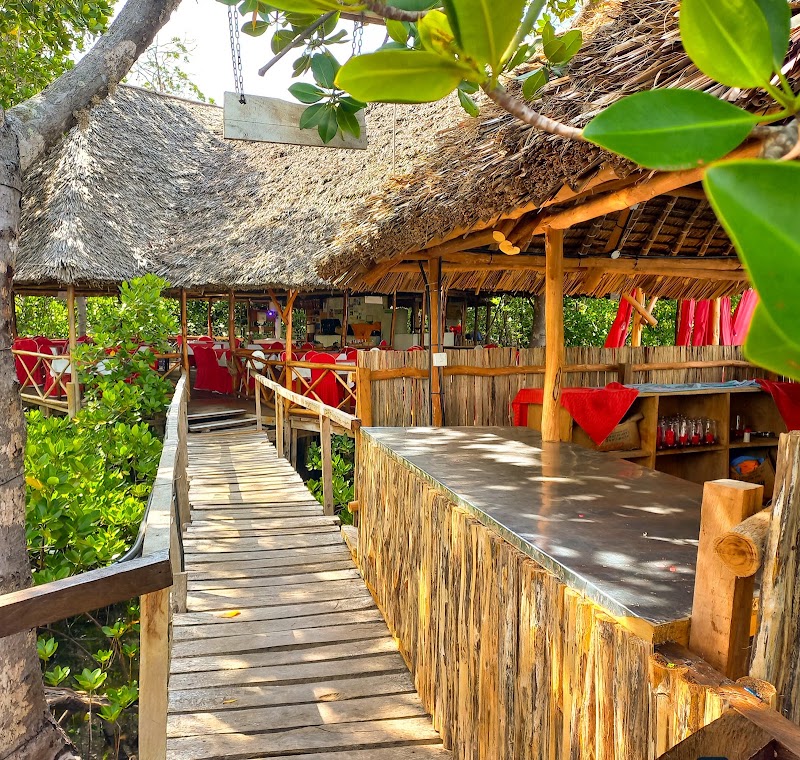 2
Mida Creek, Dabaso and Gede
Watamu’s essential inland counterweight: tide-dependent mangroves and birdlife at Mida Creek, plus the atmospheric Swahili ruins of Gede. Do these together rather than treating Watamu as beach-only.
culture-minded travelersbirdersfamilies
 3
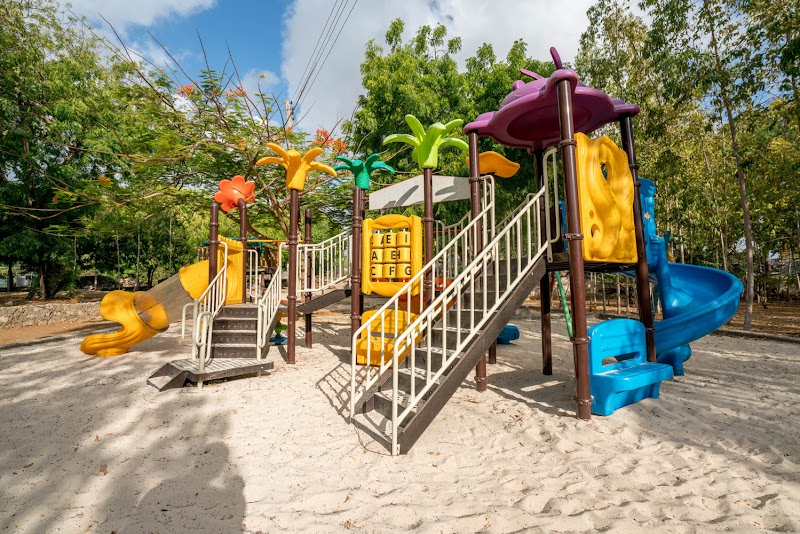
Kilifi Town, Bofa Beach and Mnarani
Base · 3 days
A quieter, less packaged base built around Kilifi Creek, broad Bofa Beach and the compact Mnarani ruins. Stay creek-side or at Bofa; the central town itself is practical rather than scenic.
independent travelersrepeat Kenya visitorsfamilies
 4
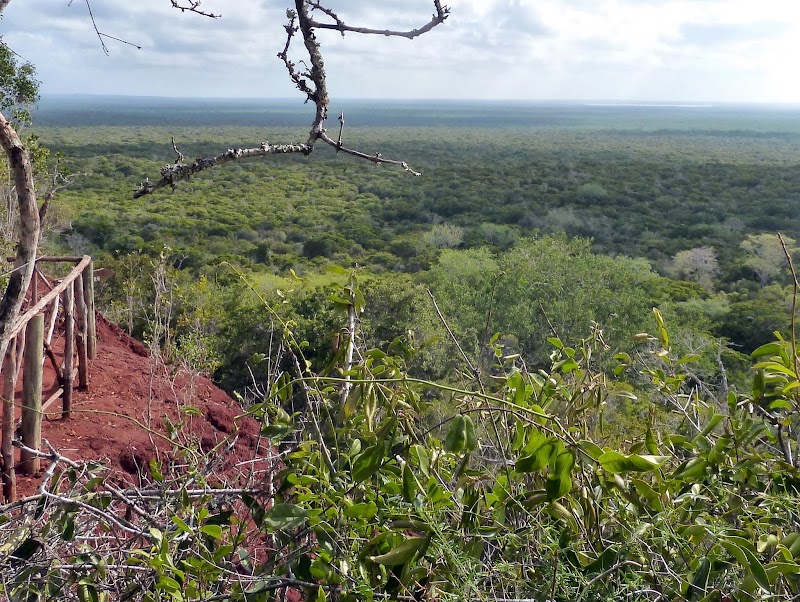
Arabuko-Sokoke Forest
The coastal forest behind Watamu and Gede is the right break from sand for guided walks, rare-habitat birding and butterflies. Go with a guide and interest in ecology, not expectations of safari-style wildlife sightings.
birdersnaturalistshikers
 5
Malindi and Shella
Base · 1–2 days
A real trading town with Swahili and Portuguese history, Italian-influenced restaurants and a useful domestic airport. It has more services and dining than Watamu, but a more uneven, commercial beach feel.
foodieshistory-minded travelerslonger-stay travelers
 6
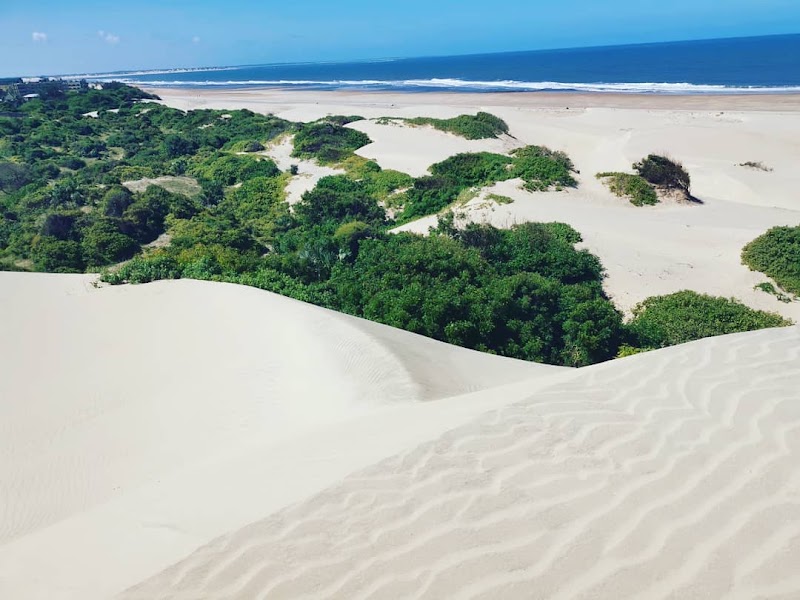
Mambrui, Marafa and Magarini
The drier rural north is worth a half-day for Mambrui’s dunes and Marafa’s erosion-carved sandstone gullies, best in late-afternoon light. Use Malindi as the base rather than sleeping here unless you are self-driving with a specific reason.
photographersself-driversgeology-minded travelers
 7
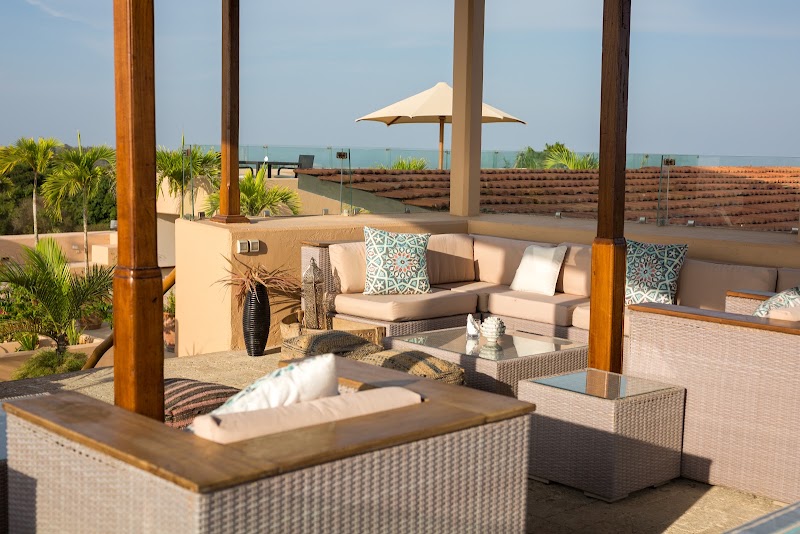
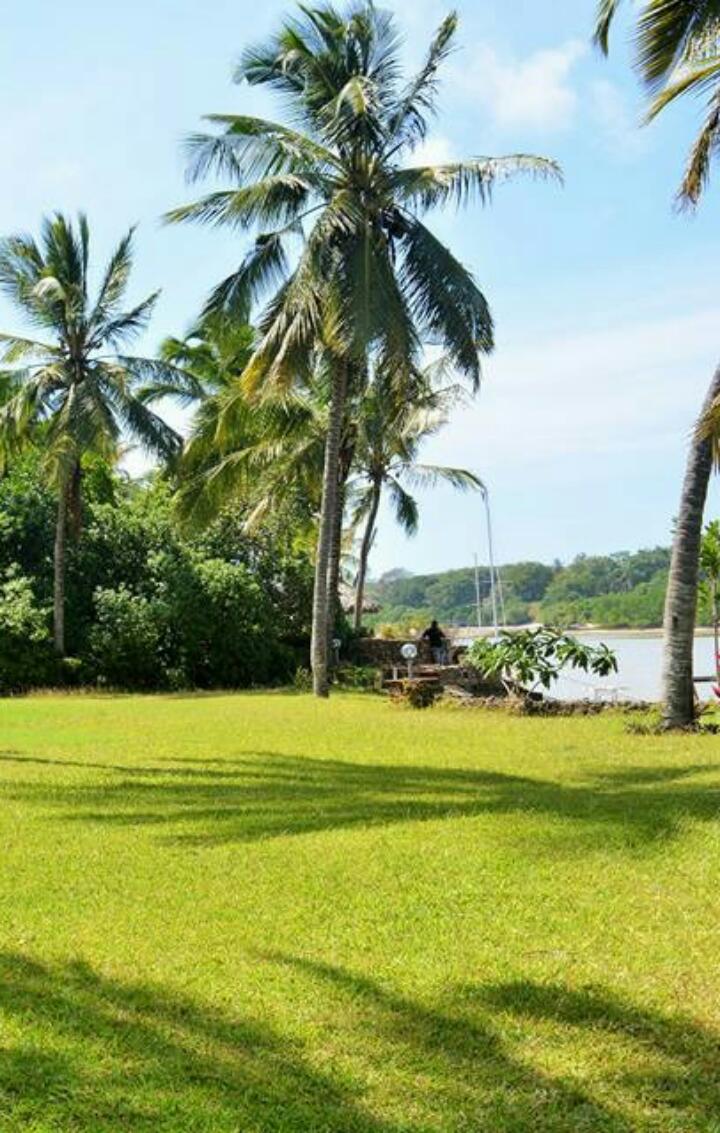
Vipingo and Kuruwitu
Base · 2 days
A polished southern-coast stretch for villas, golf and a quieter setting than Mtwapa, with limited air access through Vipingo. It is deliberately gated and expensive, not a village-life destination.
golfersvilla staysfamilies
 8
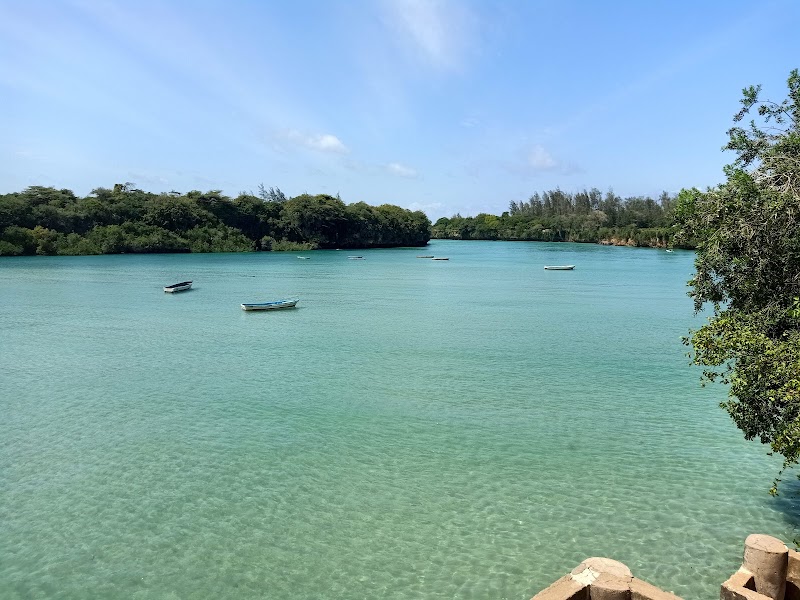
Mtwapa and Kikambala
The practical southern gateway for short beach extensions, Mtwapa Creek and a livelier evening scene near Mombasa. Expect traffic and roadside development rather than Kilifi County’s signature remote-coast atmosphere.
short-break travelersnightlife-minded travelersgroups
 9
Takaungu
A small Swahili creek settlement north of Kilifi that makes a worthwhile quiet detour from a Kilifi base. It is best with a private driver and does not merit several nights for most travelers.
slow travelersphotographersindependent travelers
Don't miss
1
Watamu Marine National Park
Watamu's protected reef and clear shallows are among the strongest reasons to come to the Kilifi coast: snorkelling can deliver turtles, reef fish and coral gardens without needing advanced diving skills. Conditions and visibility vary with wind and tide, so use an established boat operator and build in a beach stop.
2
Gede Ruins
Gede is the coast's essential archaeological stop: a remarkably atmospheric 13th- to 15th-century Swahili town of mosques, palaces, houses and tombs reclaimed by forest. Hire or join a guide if possible—the architecture is more meaningful with its Indian Ocean trading context explained.
3
Arabuko Sokoke National Reserve
This is East Africa's largest surviving coastal forest and a serious change of pace from the beach, valued for endemic birds, butterflies and rare mammals. It rewards patient walking with a knowledgeable guide rather than a quick self-drive pass-through.
4
Mida Creek
Mida Creek's mangroves, tidal flats and birdlife make it one of the region's best slow-travel experiences, especially by boardwalk, kayak or guided canoe. Time it around the tide and sunset rather than treating it as a quick roadside photo stop.
5
Watamu Beach
Watamu's broad white sand, reef-fringed water and easy access to marine activities make it the county's classic beach base. Give it unstructured time between reef trips and cultural excursions rather than trying to turn every hour into an outing.
6
Marafa Hell's Kitchen
This deeply eroded sandstone canyon near Marafa is Kilifi's most distinctive inland landscape, with layered ravines that glow red and gold near sunset. It is worth the drive for travellers who want a break from the coast, but use a local guide and do not expect extensive facilities.
Getting your bearings
Numbers match the places above; small dots are the headline sights.
The mental map
Think south to north. Mtwapa/Kikambala and Vipingo are the Mombasa-facing gateway zone; Kilifi Town, Bofa and Mnarani make the quieter central creek-and-beach base; Watamu, Mida, Gede and Arabuko-Sokoke are the strongest combined sea-and-nature section; Malindi, Mambrui and Marafa form the more urban, dispersed northern end. Watamu is the best all-round first base, while Kilifi/Bofa is for a slower, less packaged stay and Malindi is mainly useful for town life, restaurants, Marafa and airport access.
When to go
January–March is the strongest sea-first window: hot, mostly dry and usually best for snorkeling, diving and beach time. July–September is the best all-round alternative for travelers who prefer cooler, breezier weather and don’t mind a choppier ocean. Avoid April–May for a trip built around boats and beach days; October–November is cheaper but needs flexible plans, while mid-December through New Year brings a sharp jump in demand and prices.
Pacing a visit
For 3–5 nights, choose one base—usually Watamu—and make local day trips rather than trying to cover the county. For a proper first visit, split 7–8 nights between Kilifi Town/Bofa and Watamu; add Malindi only if its airport, town character or Marafa genuinely matters to you. Distances look short on paper, but traffic, hotel pickups and beaches set off the A7 mean an apparent one-hour transfer can absorb half a day.
Getting in
MBAMoi International Airport, Mombasa
The main international and domestic gateway for Kilifi County. It is the sensible arrival point for Kilifi Town/Bofa, Vipingo, Kikambala and often Watamu; allow a half-day for the road transfer once traffic, luggage and hotel stops are factored in.
Flights and transfers into MombasaMYDMalindi International Airport
The best airport for Watamu and Malindi, with domestic links that can avoid the long Mombasa road transfer. Watamu is roughly 30–45 minutes away by road; use Malindi as an in/out point if also visiting Marafa or the northern coast.
Flights and transfers into MalindiVPGVipingo Ridge Airport
A limited boutique gateway, useful for Vipingo villa stays, golf trips and occasional Wilson–Vipingo services. Do not build an itinerary around it unless its scheduled flights match your dates; it is not a full-service alternative to Mombasa or Malindi.
Flights and transfers into VipingoMombasa SGR Terminus / Mombasa road arrival
Useful for travelers coming from Nairobi by Standard Gauge Railway or road, then continuing north by private transfer, taxi or matatu. The onward road is practical but slow in real life, especially through Mombasa and along beach access roads.
Flights and transfers into Mombasa
Before you go
Questions worth settling
How many days should I allow for Kilifi County on a first trip?
For 3–5 nights, choose one base—usually Watamu—and take local trips to Mida Creek, Gede and Arabuko-Sokoke. For a fuller first visit, spend 7–8 nights split between Watamu and Kilifi Town/Bofa; add Malindi only if Marafa, its restaurants or airport access matter to you.
Where should I stay: Watamu, Kilifi/Bofa or Malindi?
Choose Watamu, Turtle Bay or Watamu Marine Park for the easiest first-time base, with reef trips, snorkeling, diving and small beach hotels. Choose Kilifi Town/Bofa for a quieter, less packaged creek-and-beach stay, and Malindi for more town life, Italian-influenced dining, airport convenience and access to Marafa.
Which places are worth combining in one itinerary?
Watamu combines naturally with Mida Creek, Dabaso, Gede and Arabuko-Sokoke Forest. Pair Kilifi Town/Bofa with Mnarani and possibly Takaungu; use Malindi as the base for Mambrui and Marafa rather than trying to cover all three sections as day trips from one place.
Do I need a visa or travel authorization for Kenya?
Most foreign visitors need to obtain a Kenyan electronic Travel Authorisation (eTA) before travel. Kenyan citizens and some exempt nationalities, including certain East African Community citizens, are treated differently, so check the official Kenya eTA site before booking.
What is the best way to get around Kilifi County?
Use private transfers when changing bases, as A7 journeys and beach-hotel access take longer than they look; Malindi Airport is especially useful for Watamu and Malindi, while Mombasa Airport suits Kilifi, Bofa, Vipingo and Kikambala. Tuk-tuks are practical within Watamu, Kilifi Town/Bofa and Malindi, while a self-drive is most useful for Marafa, Takaungu and the far north.
When is the best time to visit for beaches and snorkeling?
January–March is the strongest sea-first period, with hot, relatively dry weather and generally the best snorkeling, diving and beach conditions. July–September is cooler and drier but breezier, with choppier water; avoid April–May if reef trips and boat days are the main reason for visiting.
What should I book ahead?
Book your preferred small Watamu lodge and marine boat trips early for January and especially during mid-December through New Year, when hotels, villas, vehicles and transfers become scarce. Keep at least one buffer day for Watamu marine activities, and confirm whether park entry, gear, lunch and transfers are included in any boat-trip quote.
Known for
- Watamu Marine Park’s reef lagoons, snorkeling and diving
- Mida Creek’s mangroves, birdlife and tide-dependent sunsets
- Gede’s atmospheric, forest-swallowed Swahili ruins
- Kilifi Creek, Bofa Beach and Mnarani
- Malindi’s historic trading-port character and Italian-influenced food scene
- Marafa Depression (Hell’s Kitchen), the sandstone gullies north of Malindi


