
- Pace
- For a first visit, do Melbourne plus one self-drive circuit in 7–10 days; allow about two weeks for Melbourne plus two contrasting regions. Melbourne can cover Yarra Valley, Mornington, Geelong/Bellarine and—at a push—Phillip Island as day trips, but the Great Ocean Road and Wilsons Prom deserve overnights. Driving is slower than it looks: Torquay is about 1½ hours from Melbourne, Apollo Bay about 3 hours, the 12 Apostles about 4½ hours, Halls Gap about 3 hours and Tidal River roughly 3½ hours; the Great Ocean Road is for touring, not getting somewhere quickly.
- When to go
- March–April is the best all-round window: warm enough for coast and vineyard lunches, calmer than peak summer, and good for city time and driving. December–February is for beaches and long days, but coastal rooms, campsites and roads are under real pressure, while bushfire conditions can disrupt plans. Winter suits Melbourne, spas, truffles, whale watching and skiing; spring is best for green landscapes, waterfalls and walking, but brings Victoria’s most volatile weather and major event spikes.
- Daily budget
- A$260–420
Victoria is Australia’s compact, densely varied southeastern state: Melbourne/Narrm is the cultural, dining and transport hub, while a few hours’ drive can put you on surf beaches, in cool-climate wine country, among gold-rush towns, in alpine valleys or on genuinely wild coast. Its appeal is the contrast between migrant-built, espresso-fuelled Melbourne; the food-and-wine belt around it; and the larger, sparsely serviced country beyond—not one single postcard landscape.
Known for
- Melbourne’s espresso culture, multicultural eating, laneways, arts, live music and sport
- The Great Ocean Road, including the Otways and 12 Apostles
- Cool-climate pinot noir, chardonnay and sparkling wine in the Yarra Valley, Mornington Peninsula and other regional districts
- Surf beaches and wildlife, from Torquay and Bells Beach to Phillip Island’s Penguin Parade
- Gariwerd/Grampians walks, High Country alpine landscapes and Wilsons Promontory’s coastal wilderness
- Gold-rush cities, spa towns and regional produce-driven dining
Where to go
 1
1Base · 1–4 days
Melbourne/Narrm
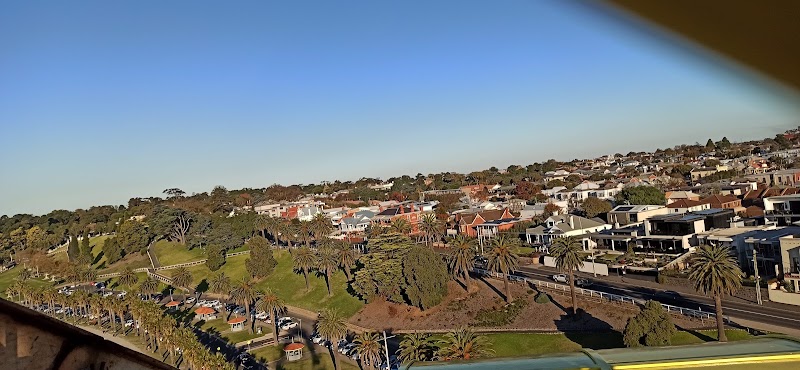
Victoria’s essential urban base for coffee, immigrant cooking, galleries, sport and live music. Spend time beyond the CBD in Fitzroy, Collingwood, Carlton, Richmond and St Kilda; that is where the city has texture.
first-timersfoodiesarts loverssport fans
Explore Melbourne/Narrm 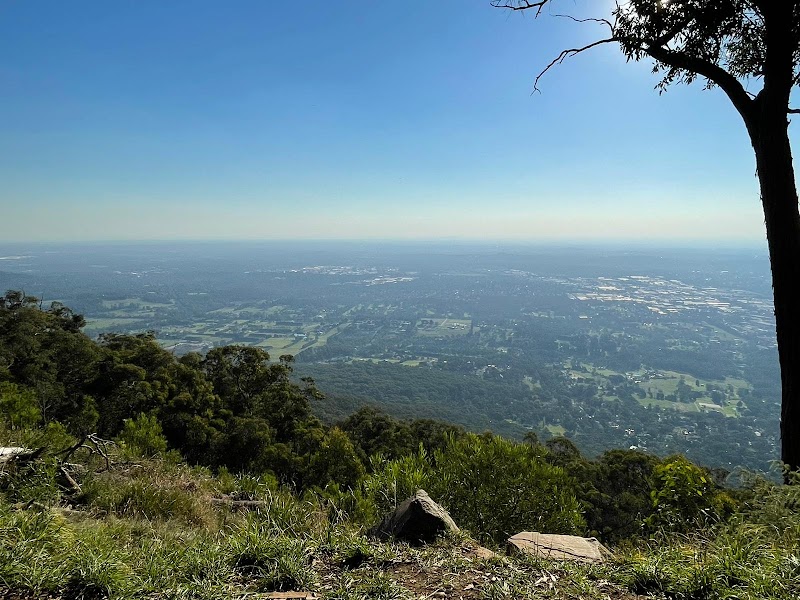 2
2Yarra Valley and Dandenong Ranges
Base · 2 days
The easiest proper escape from Melbourne: cellar doors around Healesville and Yarra Glen, backed by ferny Dandenong forest. It works as a day trip, but an overnight in Healesville makes winery logistics and long lunches far less rushed.
foodieswine loverscouples
 3
3Mornington Peninsula
Base · 2 days
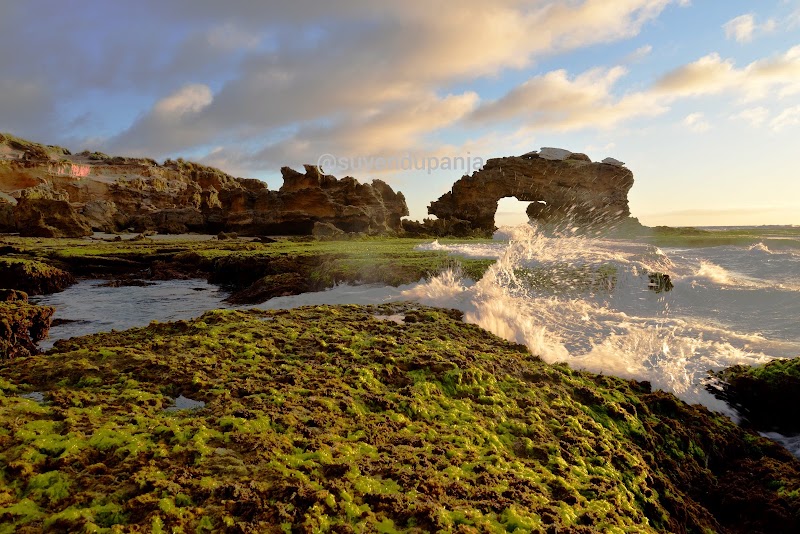
A compact mix of bay beaches, Bass Strait surf, Red Hill wineries, produce and hot springs. Base around Sorrento, Flinders or Red Hill rather than trying to commute from Melbourne on a busy summer weekend.
couplesbeach loversfoodies
 4
4Great Ocean Road: Torquay to Port Fairy
Base · 4 days
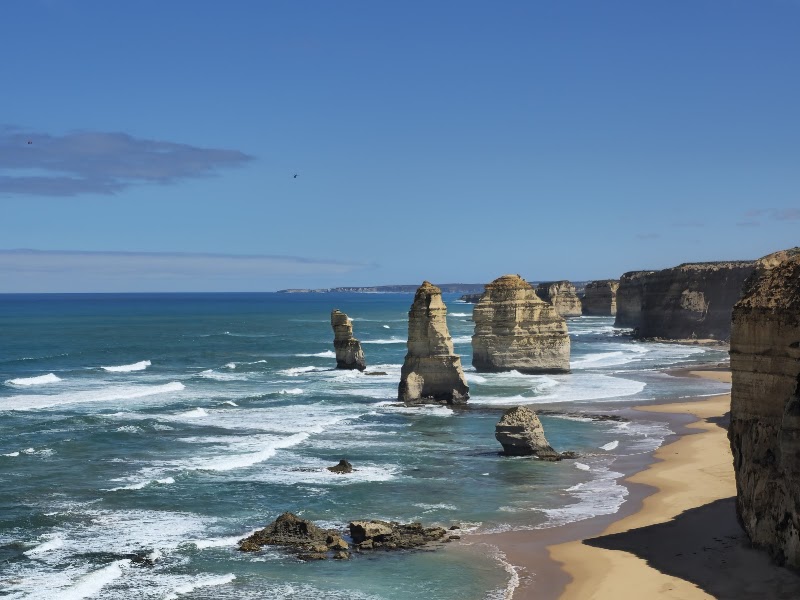
Victoria’s defining coastal drive, best done slowly through surf towns, Lorne, Apollo Bay, the Otways and the limestone coast around Port Campbell. Stay in Apollo Bay and again farther west; racing to the 12 Apostles and back turns it into a traffic exercise.
first-timersroad tripperslandscape photographers
 5
5Geelong, Bellarine and the Surf Coast
Short stop · 1 day
A practical gateway zone combining Geelong’s waterfront, Bellarine cellar doors and the surf towns of Torquay, Anglesea and Bells Beach. Geelong is a useful base or Avalon arrival point, not a substitute for a Melbourne city break.
surfersfamiliesroad trippers
 6
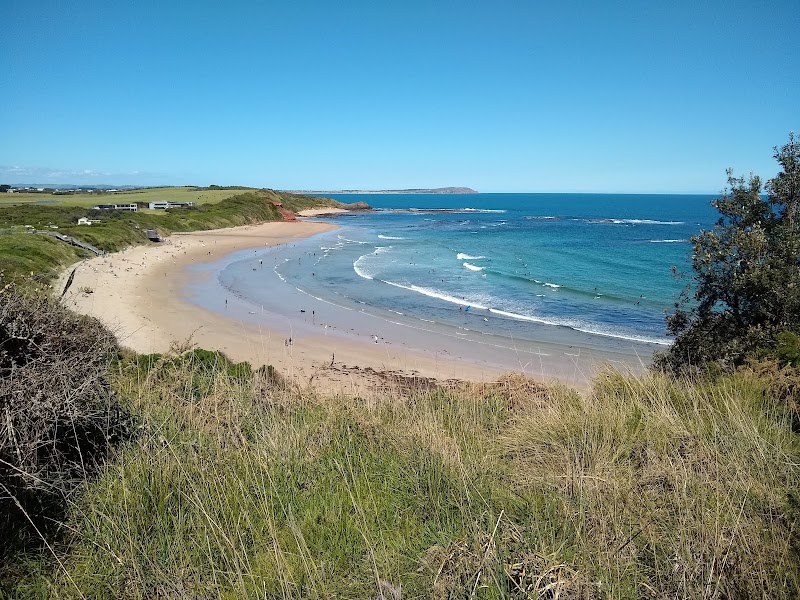
6Phillip Island
Base · 2 days
Go for the Penguin Parade, then give the island enough time for the Nobbies, coastal walks and Churchill Island. An overnight is smarter than a same-night drive back to Melbourne after the penguins.
familieswildlife loversshort-stay travelers
 7
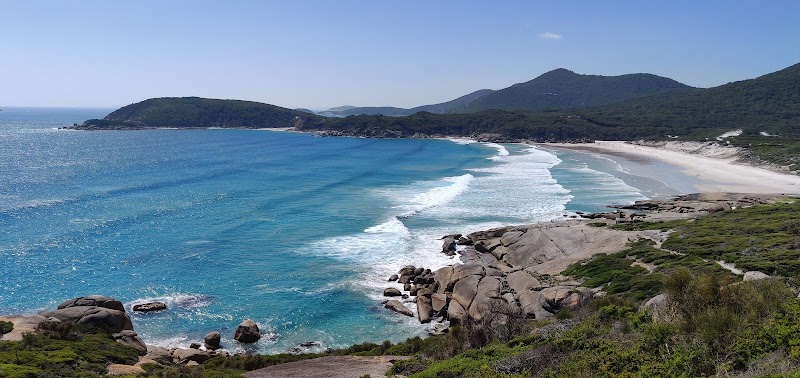
7Gippsland and Wilsons Promontory
Base · 5 days
Wilsons Prom delivers Victoria’s strongest coastal-national-park experience: granite headlands, white beaches and serious walks from Tidal River. Pair it with South Gippsland or the Gippsland Lakes rather than pretending this vast eastern sweep is one quick stop.
hikerscamperswildlife lovers
 8
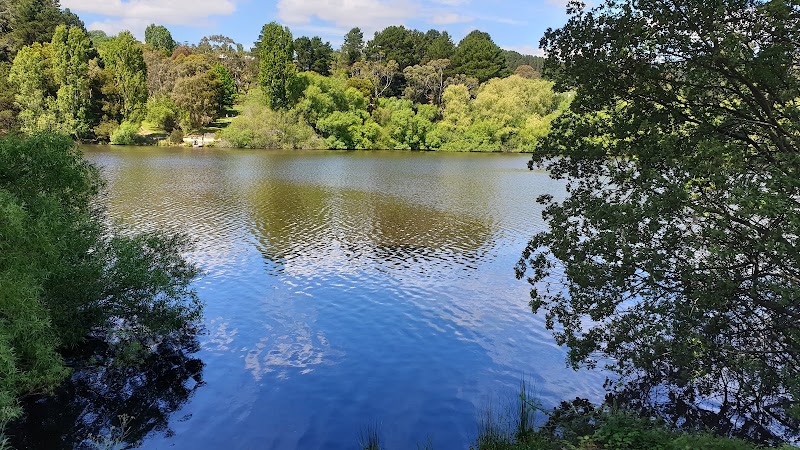
8Daylesford, Macedon Ranges and Ballarat
Short stop · 1 day
Central Victoria’s restorative counterpoint to the coast: mineral springs and good eating in Daylesford, with Ballarat’s gold-rush streets and galleries adding substance. It is particularly good for a midweek stay, when Daylesford feels less like a crowded weekend enclave.
coupleswellness travelersfoodies
 9
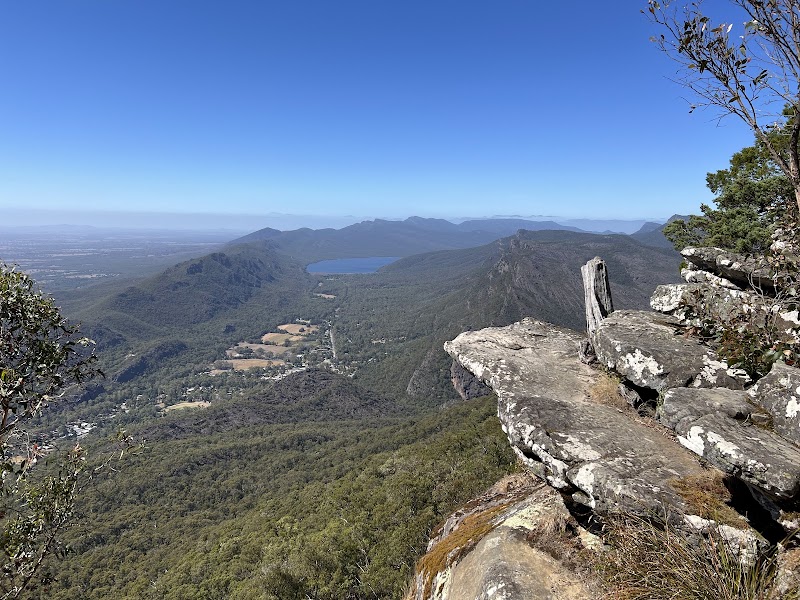
9Gariwerd/Grampians
Base · 2 days
A rugged sandstone range for big lookouts, wildlife, waterfalls and proper walking, with Halls Gap as the useful base. This deserves several nights and rewards travelers willing to check track conditions rather than treating it as a sunset detour.
walkersclimbersscenic drivers
 10
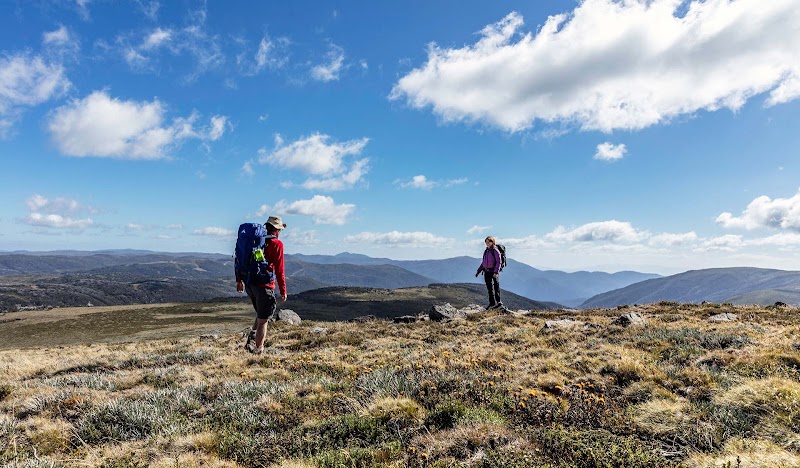
10High Country: Bright, Beechworth, King Valley and the alpine resorts
Base · 4 days
Northeast Victoria combines Bright’s cycling and autumn colour, Beechworth’s heritage, King Valley’s Italian-leaning wine culture and alpine access. It is a substantial drive from Melbourne, so use Bright or Beechworth as bases rather than trying to cover the valleys in a day.
active travelerscyclistsskiers
 11
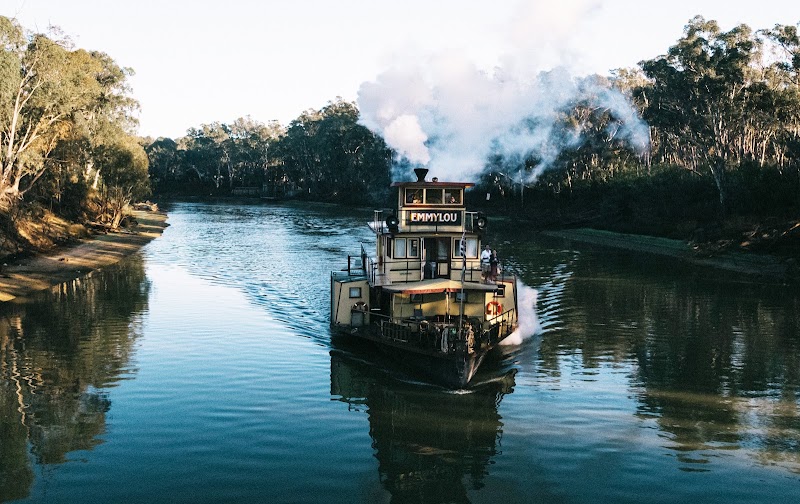
11Bendigo, Echuca and the Murray
A slower inland circuit built around Bendigo’s gold-era architecture and art, then Echuca’s Murray River and paddle-steamer history. Choose it for galleries, heritage and river pace rather than blockbuster scenery.
history loversfamiliesroad trippers
Don't miss
1
Grampians National ParkVictoria (Vic.)
Victoria's signature mountain-and-wildlife landscape combines sandstone ranges, Aboriginal cultural sites, waterfalls and serious walking. Base in Halls Gap for at least two nights so the lookouts are not reduced to a rushed drive-through.
2
Great Otway National ParkVictoria (Vic.)
The Otways provide the temperate-rainforest counterpoint to the Great Ocean Road's cliffs: giant ferns, wet forest, waterfalls and coastal heath. Build time for a forest walk rather than only driving through on the way between Apollo Bay and Port Campbell.
3
Great Ocean RoadVictoria (Vic.)
This is Victoria's defining road trip, linking surf coast towns, rainforest, cliff scenery and the Apostles coast. Treat it as a multi-day route from Melbourne to Port Fairy or Warrnambool, not a same-day dash to one viewpoint and back.
4
Twelve ApostlesVictoria (Vic.)
These offshore limestone stacks are Victoria's most recognizable natural image and the essential stop on the western Great Ocean Road. The boardwalk visit is short, so combine it with Loch Ard Gorge and other Port Campbell coast stops rather than lingering only here.
5
Phillip Island Penguin ParadeVictoria (Vic.)
Watching little penguins return ashore at dusk is Victoria's most dependable close wildlife spectacle, managed with serious conservation infrastructure. Reserve it for an overnight or unhurried day on Phillip Island, since arrival times follow sunset rather than a fixed convenient hour.
6
Wilsons Promontory National ParkVictoria (Vic.)
The Prom is Victoria's great coastal wilderness: granite headlands, white-sand beaches, kangaroos and walks ranging from Tidal River strolls to multi-day hikes. Give it at least a full day, ideally two, because the drive in is substantial and the landscape rewards slower exploration.
Getting your bearings
Numbers match the places above; small dots are the headline sights.
The mental map
Treat Victoria as four practical zones: Melbourne and near escapes (Yarra Valley, Dandenongs, Mornington Peninsula, Bellarine and Phillip Island); the southwest (Great Ocean Road, Gariwerd/Grampians and Goldfields); the east (Gippsland and Wilsons Promontory); and the north/northeast (High Country, Murray River, Bendigo, Ballarat and inland food-and-wine country). Melbourne is the obvious gateway and works well for the near escapes; beyond that, a car and overnight stops matter more than the map suggests.
When to go
March–April is the best all-round window: warm enough for coast and vineyard lunches, calmer than peak summer, and good for city time and driving. December–February is for beaches and long days, but coastal rooms, campsites and roads are under real pressure, while bushfire conditions can disrupt plans. Winter suits Melbourne, spas, truffles, whale watching and skiing; spring is best for green landscapes, waterfalls and walking, but brings Victoria’s most volatile weather and major event spikes.
Pacing a visit
For a first visit, do Melbourne plus one self-drive circuit in 7–10 days; allow about two weeks for Melbourne plus two contrasting regions. Melbourne can cover Yarra Valley, Mornington, Geelong/Bellarine and—at a push—Phillip Island as day trips, but the Great Ocean Road and Wilsons Prom deserve overnights. Driving is slower than it looks: Torquay is about 1½ hours from Melbourne, Apollo Bay about 3 hours, the 12 Apostles about 4½ hours, Halls Gap about 3 hours and Tidal River roughly 3½ hours; the Great Ocean Road is for touring, not getting somewhere quickly.
Book before you land
Phillip Island Penguin Parade, especially summer, school holidays and MotoGP weekends · Wilsons Promontory Tidal River camping and park accommodation for summer, long weekends and school holidays · Grampians Peaks Trail overnight hikes and designated campsites · Mt Buller, Falls Creek and Mt Hotham accommodation, ski lessons and rental gear for winter school-holiday and weekend dates · Australian Open and Formula 1 Australian Grand Prix tickets if visiting during those events
Getting in
MELMelbourne Airport (Tullamarine)
Victoria’s main international and domestic gateway, about 20–25 km northwest of central Melbourne. Use it for Melbourne and virtually any self-drive itinerary; the SkyBus is the straightforward CBD link, while rental cars are best collected only when leaving the city.
Flights and transfers into MelbourneAVVAvalon Airport
A smaller, largely domestic airport between Melbourne and Geelong. It is the convenient arrival point for Geelong, Bellarine, Surf Coast and the Great Ocean Road, but has far fewer flights and onward transport options than MEL.
Southern Cross Station, Melbourne
The practical rail/coach hub for arrivals from Sydney, Adelaide, Canberra and regional Victoria. Interstate trains are scenic but slow and infrequent; it is useful if Melbourne is the destination, not a substitute for a car on the Great Ocean Road, Wilsons Prom or the High Country.
Flights and transfers into MelbourneSpirit of Tasmania terminal, Geelong
The ferry arrival from Devonport, Tasmania, now uses Geelong’s Corio Quay rather than central Melbourne. It is useful only if bringing a vehicle or continuing directly into the Bellarine, Surf Coast or western Victoria; pre-book vehicle space well ahead in peak periods.
Flights and transfers into Geelong
Before you go
Questions worth settling
How many days do I need for a first trip to Victoria?
Allow 7–10 days for Melbourne/Narrm plus one self-drive region, such as the Great Ocean Road or Gippsland and Wilsons Promontory. With about two weeks, add a contrasting second region such as Gariwerd/Grampians, the High Country, or Daylesford and Ballarat.
Where should I base myself: Melbourne or regional towns?
Stay in Melbourne/Narrm for the city and easy escapes to the Yarra Valley, Dandenong Ranges, Mornington Peninsula, Geelong/Bellarine and, at a push, Phillip Island. For longer regional trips, move bases: use Apollo Bay and then a town farther west on the Great Ocean Road, Halls Gap for Gariwerd/Grampians, Tidal River for Wilsons Promontory, and Bright or Beechworth in the High Country.
Can I do the Great Ocean Road, Phillip Island or Wilsons Prom as day trips from Melbourne?
Phillip Island is possible as a long day, but an overnight is wiser after the Penguin Parade. The Great Ocean Road and Wilsons Promontory deserve overnight stays: Apollo Bay is about three hours from Melbourne, the 12 Apostles about 4½ hours, and Tidal River roughly 3½ hours, before allowing for stops, walks and traffic.
Do I need a car in Victoria?
No car is needed for a Melbourne-only stay; use trams, trains and buses with a myki card, and collect a rental only when leaving the city. A car is strongly recommended for the Great Ocean Road, wineries, Wilsons Promontory, Gariwerd/Grampians and the High Country, where public transport is limited.
What is the best time to visit Victoria?
March–April is the best all-round period for Melbourne, wine regions and coastal driving: it is generally warm and more settled than peak summer. Summer is best for beaches but brings crowds, booked-out coastal accommodation and bushfire disruption; winter suits Melbourne, Daylesford, whale watching and skiing, while spring is green and good for walking but notably changeable.
What do I need to book ahead?
Book the Phillip Island Penguin Parade ahead in summer, school holidays and MotoGP periods; reserve a Phillip Island overnight early for the Australian Motorcycle Grand Prix. Also book Tidal River camping or park accommodation at Wilsons Promontory, Grampians Peaks Trail overnights, and winter accommodation, lessons and rental gear at Mt Buller, Falls Creek or Mt Hotham; Melbourne rooms need early booking around the Australian Open, Formula 1 and Melbourne Cup Carnival.
Do I need a visa before travelling to Victoria?
Almost all non-citizens need an Australian visa or electronic travel authority before travel; Australia does not offer visa on arrival. Eligible travelers commonly use an eVisitor (subclass 651) or ETA (subclass 601), while New Zealand citizens are generally granted a Special Category Visa on arrival; confirm current eligibility with the Australian Department of Home Affairs before booking.
Known for
- Melbourne’s espresso culture, multicultural eating, laneways, arts, live music and sport
- The Great Ocean Road, including the Otways and 12 Apostles
- Cool-climate pinot noir, chardonnay and sparkling wine in the Yarra Valley, Mornington Peninsula and other regional districts
- Surf beaches and wildlife, from Torquay and Bells Beach to Phillip Island’s Penguin Parade
- Gariwerd/Grampians walks, High Country alpine landscapes and Wilsons Promontory’s coastal wilderness
- Gold-rush cities, spa towns and regional produce-driven dining

